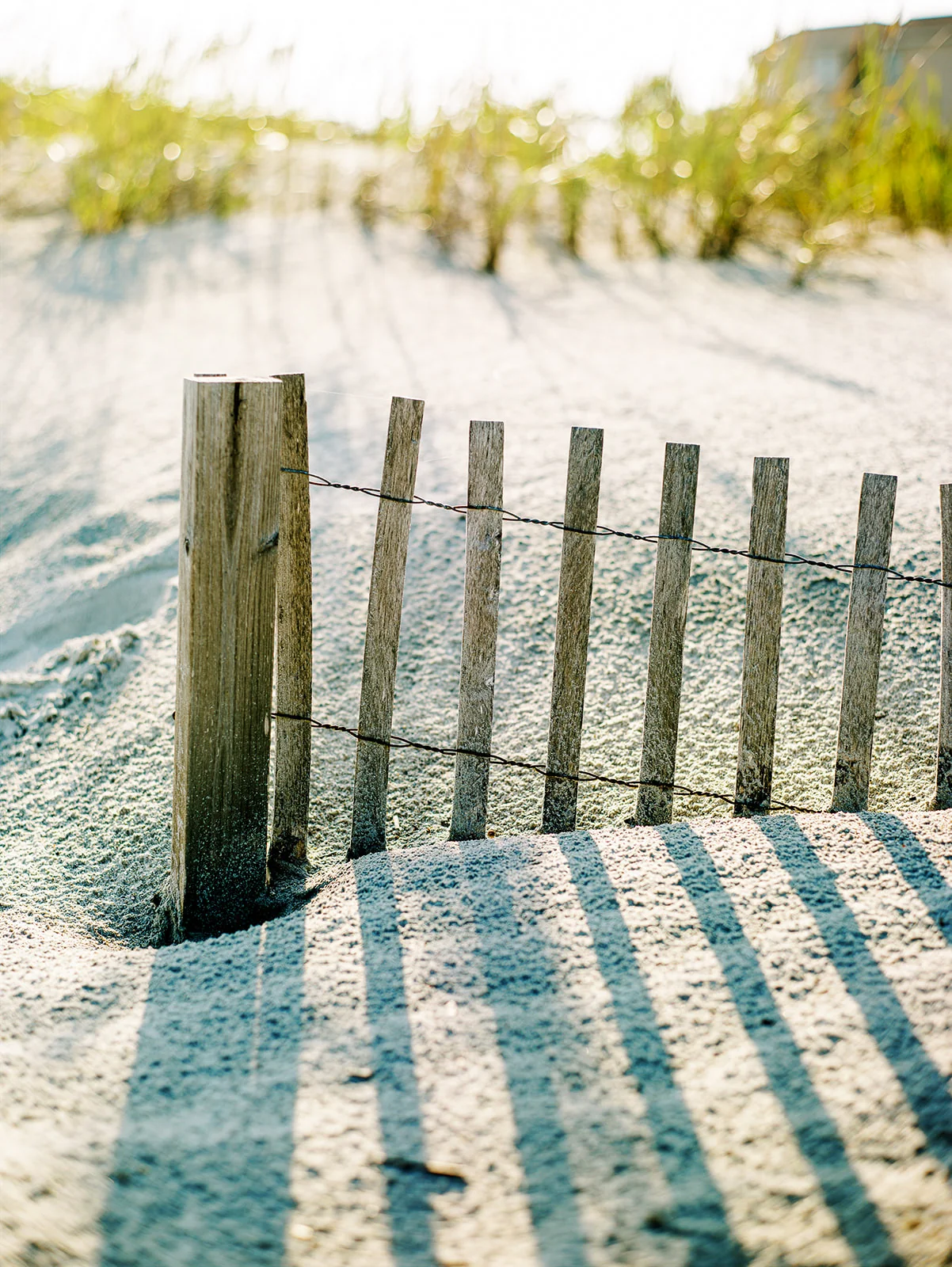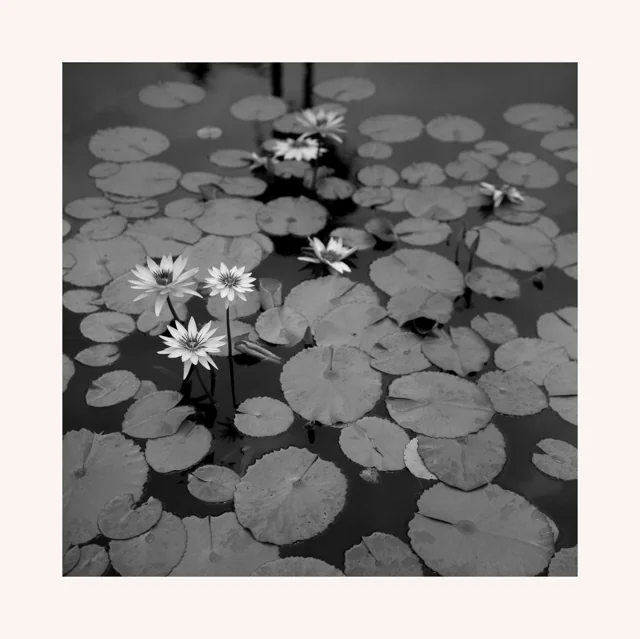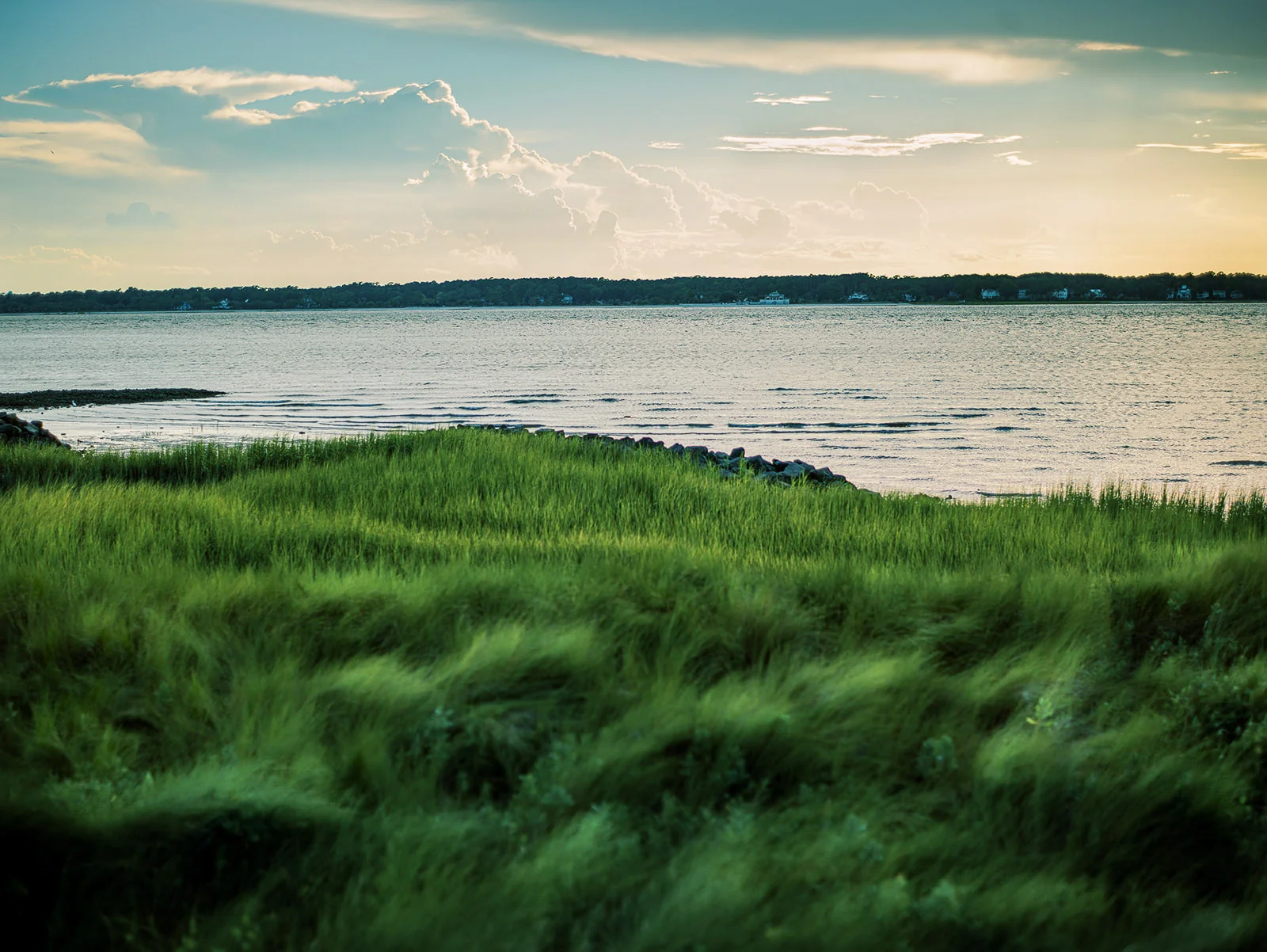
Before the day gathers pace, the coast asks very little of us. Water, grass, and sky occupy the same quiet space. The photograph begins with paying attention.
The Lowcountry rarely offers a single, obvious subject. Its character lives in relationships: the edge of a creek against the marsh, a distant line of trees, the reflection of an opening in the clouds. Finding a photograph here can mean learning to notice smaller changes.
Arrive before the light.
A landscape changes long before the sun appears. A pale band above the horizon, a ripple moving through the creek, the way clouds begin to hold color — each gives us something to watch.
Arriving early makes room for that attention. Leave the camera at your side for a moment. Notice where the water leads your eye and which shapes hold together. Choose a position, then give the scene time to change.
The first composition is not always the strongest. Sometimes a few steps to one side separate two overlapping shapes. Sometimes standing still reveals more than moving does.
Let the frame breathe.
Along a low coastline, a small decision about the horizon can change the feeling of an image. Give the sky room when it carries the photograph. Move closer to the grasses when their texture tells the more interesting story.
Ask what the frame is really about. If it is the sweep of water, let that movement remain clear. If it is a patch of light, consider how the quieter areas around it help us see it.
There is no need to gather every detail.
Leave room for the landscape to be felt.
A generous composition is not an empty one. Space can describe distance, suggest stillness, or give a small subject its weight. What you leave outside the photograph matters as much as what you include.