THE JOURNAL / COLOSSUS LUX
Artwork for Office Walls: A Decision Guide for Workspaces
Office walls are usually decorated last and thought about least. The furniture arrives, the technology is installed, people move in, and then someone is sent to find something for the empty walls. The result is familiar: a set of safe, small, generic prints that nobody dislikes and nobody remembers, in rooms where clients form their first opinion of the firm.
Artwork for office walls deserves a better process, not a more extravagant one. This post is about the decisions behind the choice: which rooms matter most, what scale those rooms need, and what kind of work holds up in a professional setting over years. It takes the decision angle deliberately. Quantities, wall by wall planning, and installation logistics are covered in our existing corporate wall art planning post, and this guide is meant to be read before that planning starts.
Colossus Lux is the fine art practice of Vitor Lindo, based in Metro Atlanta with deep working ties to Savannah. The practice produces gigapixel photography, stitching hundreds of photographs into single images installed at architectural scale, with prints planned in feet, not inches.
Rank the rooms before you choose any art
Not every office wall matters equally. Spend attention, and budget, in this order:
- Reception and entry. Every client, recruit, and visitor sees this wall, usually while waiting and looking closely.
- Main meeting and conference rooms. People sit facing these walls for an hour at a time, often during difficult or important conversations.
- Partner, founder, and principal offices. These rooms host private client conversations and video calls, where a background is always visible.
- Corridors and shared work areas. Staff see these daily. The art here affects the people who work in the building more than anyone who visits it.
- Private offices and support spaces. Important for the person in the room, but rarely decisive for the firm.
That ranking prevents the most common error in office artwork: spreading a modest budget evenly, so every room gets something forgettable. Professional office wall art works better concentrated. One strong reception piece and well chosen meeting room work will do more for a firm than thirty small prints distributed without a plan.
Professional office wall art works better concentrated.
What office art needs to do, and what it should not do
Good office artwork does a few quiet jobs. It signals that the firm pays attention. It gives a waiting client something real to look at. It settles a meeting room, so the room feels finished rather than rented. On video calls, it gives a senior person a background with substance that is not a bookshelf of props or a branded wall.
It should not advertise, argue, or demand interpretation. Work that is confrontational or built around text tends to age poorly in offices, because staff and clients did not choose it and must look at it for years. Offices renovate on long cycles, and the art should outlast at least one cycle of furniture.
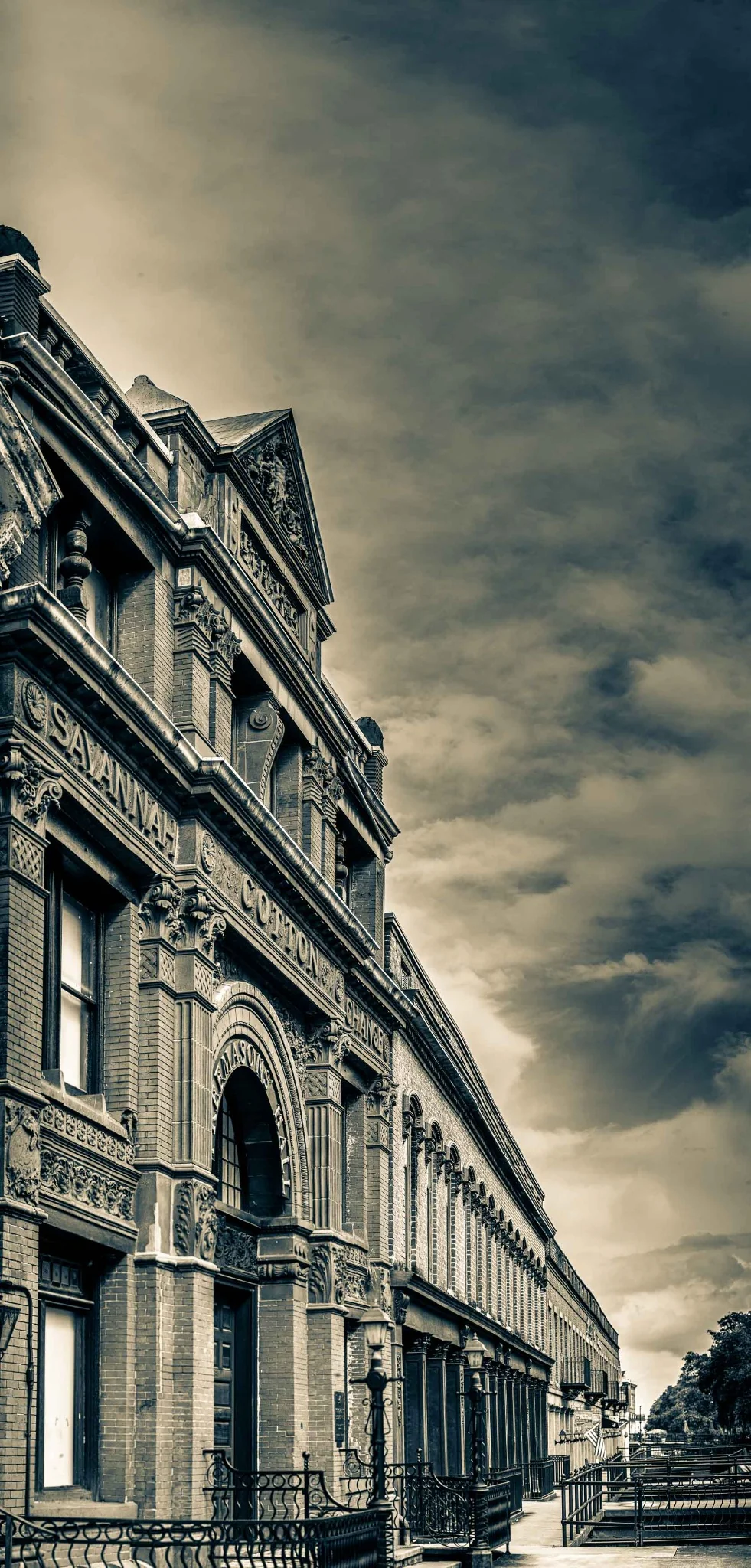
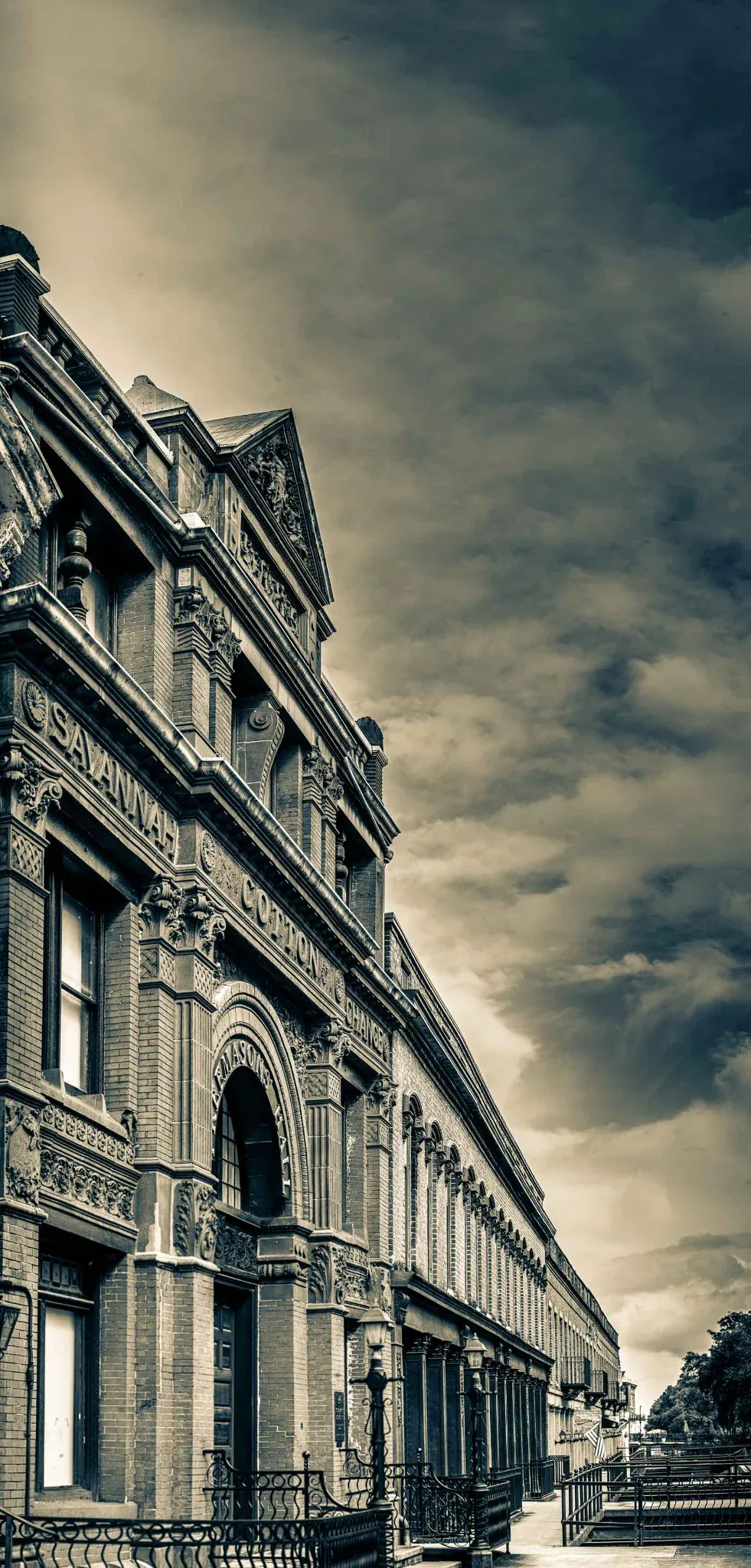
Landscape and architectural photography suits offices for practical reasons. It is readable to almost everyone, it carries no message a client can disagree with, and its quality is visible in the detail and scale rather than in a concept that needs explaining. A large marsh, a stand of live oaks, a shoreline at first light, or a strong architectural study in stone can hold a boardroom wall without ever becoming the subject of the meeting.
Scale: the difference between decoration and a finished room
Modern office wall art most often fails on size. The prints are too small for the walls, hung too high, and spaced as if the goal were to cover wall area rather than to give the room a focal point.
Offices in Metro Atlanta and Savannah increasingly have the same physical profile: high ceilings, long glass walls, and large open spans in reception and conference areas. On a fourteen foot conference room wall, a pair of two foot prints will always look provisional. A single piece in the range of six to ten feet, chosen for that wall, changes the room entirely.
Our wall art size guide covers the measuring method in detail. The office specific point is simpler: commission or buy for the wall you have measured, and confirm the image file can support that size at the viewing distance of the room. In a conference room, that distance can be as close as four feet for the person seated nearest the work. Gigapixel files are made for exactly that test. Detail that holds at four feet will hold anywhere in the room.
Large office wall art also needs early coordination with lighting and glass. Conference rooms with a full glass wall opposite the artwork will reflect it and be reflected in it. That is manageable, but it should be looked at before finishes are chosen, not discovered on installation day.
Choosing subjects by room
A useful way to decide is by the length and nature of attention each room receives.
Reception art is seen briefly but closely, often by someone who is early, waiting, and forming an opinion. It should be the strongest piece in the building: large, clearly made, and connected to a place or a quality the firm is comfortable standing for. For Georgia firms, Lowcountry landscape work carries a regional identity without using a logo, a skyline cliche, or a stock photograph of the city.
Meeting rooms need calm, structured images. Horizons, ordered architectural subjects, and open landscapes keep a room settled during long sessions. Avoid very busy detail on walls that sit directly behind speakers, since on video calls a busy background competes with a face.
Corridors and work areas can take more variety: a sequence of related images, a seasonal series from one landscape, or diptych and triptych arrangements that give staff something that rewards repeated looking. Staff see corridor art hundreds of times. Work with genuine detail survives that repetition. Simple decorative images do not.
Private offices are the one place where personal taste should lead. The person in the room will live with the piece daily, and a landscape they have a real connection to will serve them better than a firm wide standard.
Materials, maintenance, and facilities
Facilities teams have legitimate questions, and they should be asked during selection, not after purchase:
- Can the surface be cleaned with standard office products?
- Is the mounting secure and appropriate for a public or client facing space?
- Will the finish handle the sun load on west facing glass?
- Can the piece be moved or rehung if the firm reconfigures the floor?
- Is there a retained master file and specification, so a damaged piece can be reproduced to match?
Photographic work on rigid, cleanable substrates answers most of these well, and a retained gigapixel master file makes exact replacement possible. Framed work behind glazing can also serve, but in large sizes its weight, glare, and handling need honest planning.
Cost, stated plainly
There is no honest per piece price for office art without knowing size, substrate, and quantity, and this post will not invent one. What can be stated is a budgeting principle: price reception and main meeting rooms first, at the size the architecture asks for, and let corridors and secondary rooms take what remains. Also budget for delivery, installation hardware, and installation labor for large pieces.
A short test before you buy
Before committing to any office artwork, stand in the room and answer four questions. What is the largest wall, and have we measured it? At what distance will most people see this piece? Does the image still hold detail at that distance? And would we be comfortable if this piece appeared behind our leadership in every client photograph and video call for the next five years?
If the answer to the last question is yes, the choice is probably sound.
Continue the conversation
If you are fitting out or refreshing an office in Atlanta, Metro Atlanta, or Savannah, and you want to talk through reception, meeting room, or full floor artwork at a practical level, contact Colossus Lux to discuss their space. Bring floor measurements and photographs of the main walls. That is enough to have a direct conversation about scale, subjects, and what a finished room would actually require.